Throwing things away may seem simple, but not everything belongs in your regular trash bin. In fact, improper disposal can harm the environment, create safety risks, and even lead to fines in some areas. That’s why following the right waste disposal tips is more important than ever.
Many everyday items require special handling. From batteries to electronics, these materials can contain harmful substances that should never end up in landfills. By understanding proper hazardous waste disposal and using smart recycling tips, you can protect both your home and the environment.
In this guide, we’ll walk you through common items you should never throw away and what to do instead.
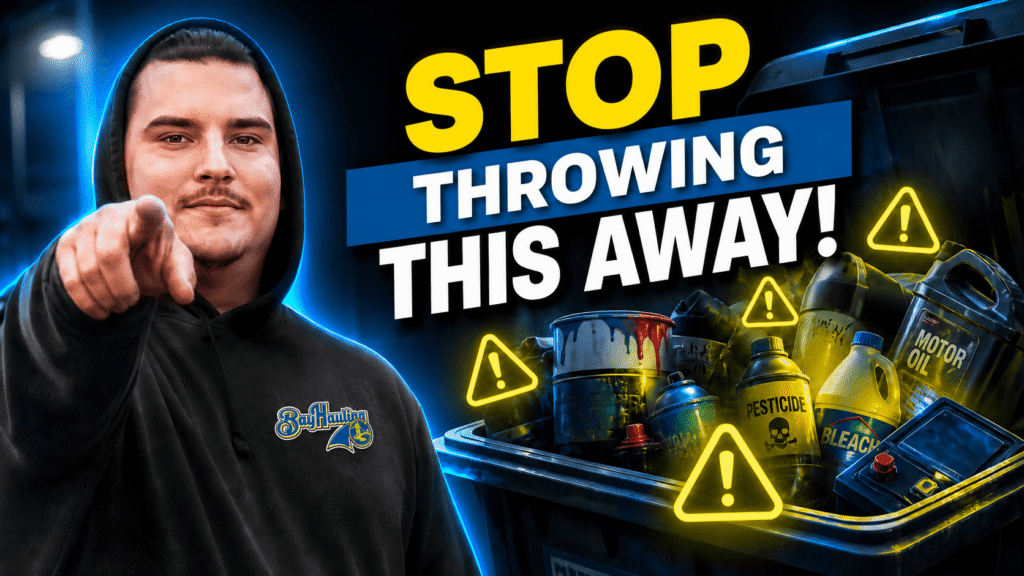
Most people don’t realize the impact of improper waste disposal. When harmful materials are thrown into regular trash, they can leak chemicals into the soil and water.
Because of this, following proper waste disposal tips helps:
At the same time, responsible disposal ensures your household stays safe and compliant with local regulations.
Batteries are one of the most common household items that require proper hazardous waste disposal. They contain chemicals that can leak and cause environmental damage.
Instead of throwing them in the trash, bring them to designated recycling centers. Many stores also offer battery collection programs.
Old phones, laptops, and TVs fall under electronic waste. These items contain metals and toxic components that should not go to landfills.
Following proper recycling tips, you can:
This helps reduce environmental impact while recovering valuable materials.
Leftover paint, cleaning products, and chemicals should never be poured down the drain or thrown away improperly.
These substances require proper hazardous waste disposal to prevent contamination. Check local collection programs for safe disposal options.
Large appliances like refrigerators, microwaves, and washing machines require special handling. Some contain refrigerants and other harmful substances.
Instead of disposing of them incorrectly, consider using professional services that follow proper waste disposal tips.
Tires are not biodegradable and can cause serious environmental issues if dumped improperly.
Many recycling centers accept old tires, where they can be repurposed into other materials.
Certain types of light bulbs, especially fluorescent ones, contain small amounts of mercury.
Because of this, they should be handled using proper hazardous waste disposal methods rather than being thrown in regular trash.
Expired or unused medications should never be flushed or thrown in the trash.
Instead, look for pharmacy take-back programs. These options follow safe waste disposal tips and prevent contamination of water systems.
Following simple recycling tips can make a big difference in reducing waste.
Create separate bins for recyclables, general waste, and hazardous materials. This makes disposal easier and more efficient.
Rinse containers before placing them in recycling bins. This helps avoid contamination and improves recycling success rates.
Before throwing something away, consider if it can be reused, donated, or repurposed.
These small actions support sustainable living while following better waste disposal tips.
Sometimes, handling waste on your own isn’t practical—especially for large or hazardous items.
Professional teams understand proper hazardous waste disposal and follow the right recycling tips to ensure items are handled responsibly.
By working with experts, you can:
This is especially helpful during large cleanouts or home renovations.
Even with good intentions, mistakes can happen. Here are a few to avoid:
By following correct waste disposal tips, you can avoid these issues and maintain a safer home environment.
Proper waste disposal doesn’t have to be complicated. With the right knowledge, you can make smarter choices every day.
By following essential waste disposal tips, understanding hazardous waste disposal, and applying practical recycling tips, you help protect your home, your community, and the environment.
Instead of guessing what to do with unwanted items, take the safer route and dispose of them properly.
Contact Bay Hauling for safe and reliable cleanup solutions
Or Book With Us Now, 10% OFF on your first booking